As a longtime observer of the gaming landscape, I've watched Among Us evolve from a sudden cultural phenomenon into a formidable franchise. Its journey to virtual reality has been highly anticipated, and the latest gameplay showcases suggest it's a transformative step. The core premise—identifying impostors among a crew on a spaceship—remains, but the shift to a first-person VR perspective fundamentally alters the experience, making every interaction more personal and every suspicion more palpable.
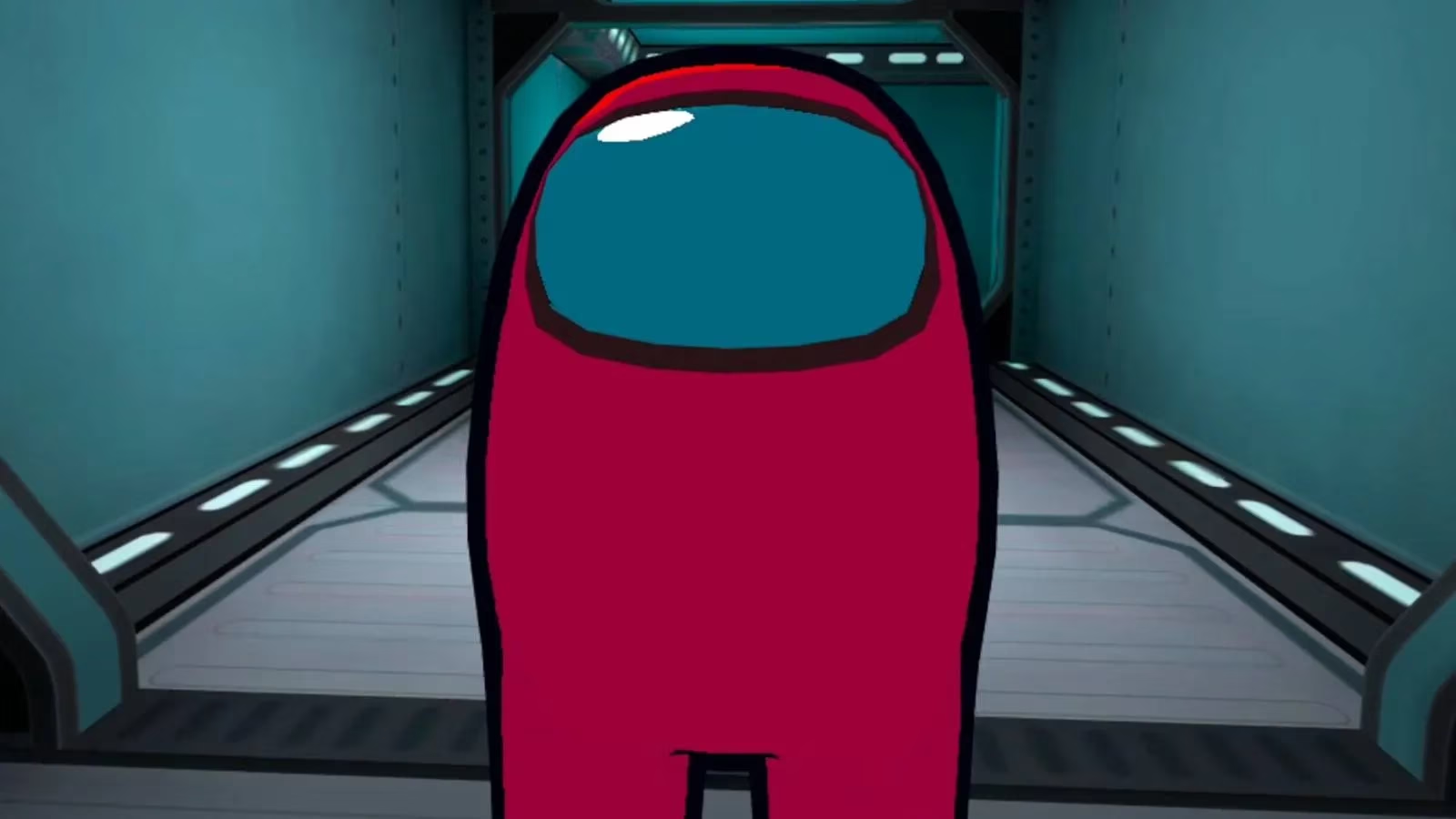
The new gameplay trailer, viewed from the perspective of the unlucky 'Yellow' Crewmate, highlights the platform's unique strengths. While the original game's charm lay in its simple, top-down visuals and text-based communication, VR introduces a layer of physicality that changes everything. The ability to gesture and use limited body language isn't just a gimmick; it's a new language for deception and deduction. A pointed finger, a hesitant shrug, or a frantic wave during an emergency meeting carries weight it never could in the 2D version. This evolution makes the social interplay, the heart of Among Us, richer and more nuanced.
Immersive is the word that best describes the experience. The tension of completing a wiring task in electrical, knowing an impostor could be lurking just around the corner, is magnified tenfold when you're physically looking over your shoulder. The trailer effectively contrasts the cheerful, cooperative minigames with the lurking dread of the killer on the ship. This shift from a detached, isometric view to being inside the Skeld makes the environment itself a character—corridors feel longer, rooms feel more claustrophobic, and the silence after a reported body feels heavier.
However, this immersion comes with new strategic considerations. Some players speculate that the VR format might actually tip the scales in favor of the Impostors. Limited peripheral vision and the need to physically turn your head to observe your surroundings could make it easier for killers to strike from blind spots. The trailer playfully nods to this, showing Yellow repeatedly missing nearby murders, to the point of becoming the prime suspect. This adds a thrilling, almost paranoid layer to gameplay, where trust is even harder to earn and maintain.
From a development perspective, Innersloth's focus with this VR iteration is clear: leverage the medium's strengths to enhance the core social deduction loop. The implementation of features like gesturing shows a thoughtful approach to player interaction. It's not just about porting the game; it's about reimagining communication within its world. The potential for non-verbal cues to become meta-game elements—like using specific gestures to signal trust or suspicion to allies—is enormous.
🔍 Key Enhancements in Among Us VR:
-
First-Person Immersion: Experience the Skeld from the inside, heightening tension and environmental awareness.
-
Physical Gesturing: Communicate through pointing, waving, and other body language, adding a new layer to social deduction.
-
Tactical Visibility: Limited field of view changes the dynamic of surveillance and creates new opportunities for impostors.
-
Interactive Tasks: Minigames are now hands-on activities within the VR space, deepening engagement.
Of course, the true test will be in practice. Will gesturing become a fluid part of discussion, or will it devolve into chaotic arm-waving? Will the physicality of tasks and movement feel intuitive? These are questions only a full launch can answer. Yet, the foundation appears solid. By moving beyond simple porting and actively designing for VR's unique capabilities, Innersloth is demonstrating how to successfully translate a social experience into a new dimension.
Looking ahead to 2026, Among Us VR represents more than just a new version of a popular game. It's a case study in how to adapt a socially-driven game for immersive technology. Its success could influence how other social deduction and party games approach VR, moving away from direct ports and towards experiences built from the ground up to exploit presence and physical interaction. The future of virtual gatherings and digital social spaces may well learn a lesson from Crewmates and Impostors learning to point fingers in a whole new way.