Fighting games are packed with characters whose faces and catchphrases have outgrown the arcade and reached wider gaming culture. From the Mortal Kombat ninjas to the Street Fighter world warriors, these fighters often feel unstoppable in trailers, story modes, and fan discussions. Yet popularity does not equal competitive strength. In many cases, the same characters who dominate posters and merchandise find themselves sitting near the bottom of official tournament tier lists.
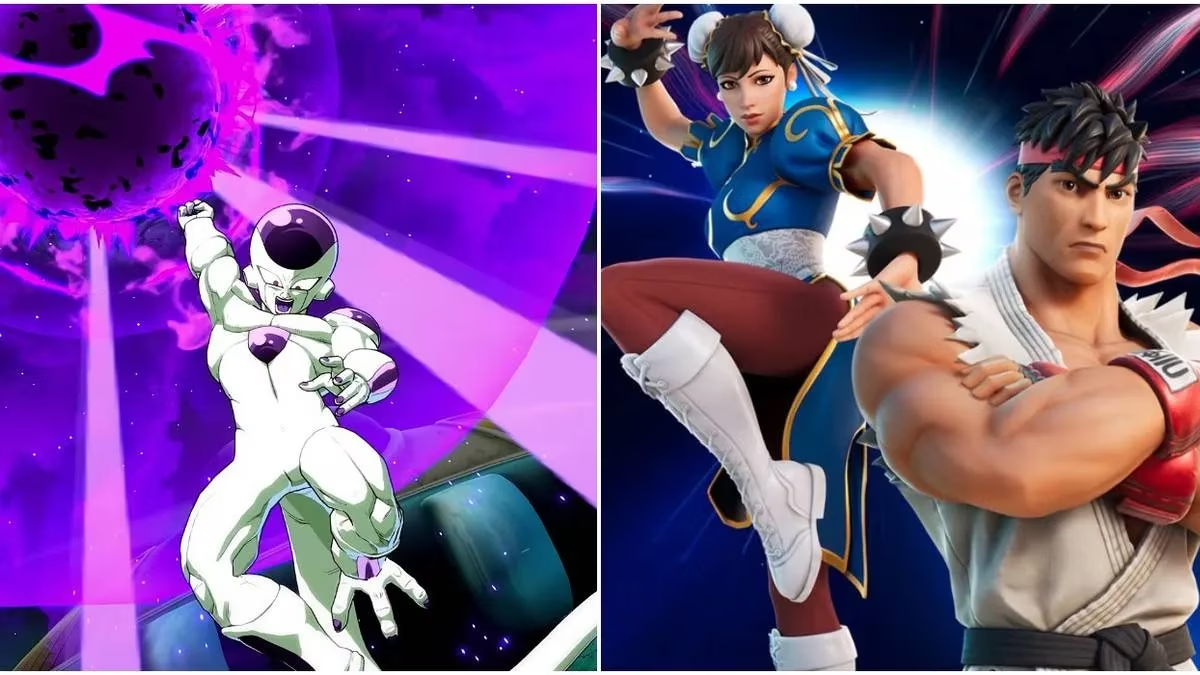
The gap between fame and viability often comes down to game mechanics. A character may have a beloved design, a deep story, or decades of history, but if their range, frame data, mobility, or combo routes do not line up with how a particular game is actually played, they will struggle. The examples below show how even icons can be left behind.
Roy – Super Smash Bros. Melee ⚔️
Roy looks like a natural pick for players who want speed, fire effects, and an aggressive sword style. However, in Melee, he is widely considered a strictly worse alternative to Marth. The spacing system punishes Roy for landing hits too close to his opponent, while Marth’s sword rewards precise tipper hits with higher damage and knockback.
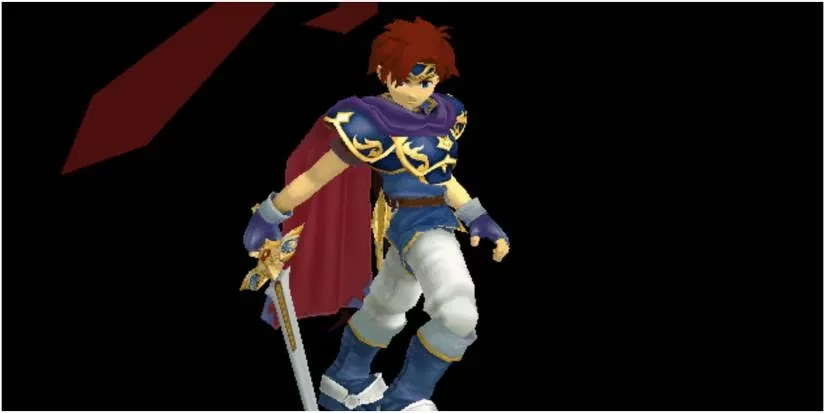
Roy’s own blade is riddled with sour spots, which makes his damage output feel inconsistent. At high level, that inconsistency is a hard pill to swallow.
Heihachi – Soul Calibur II 👊
Heihachi is one of the most recognizable faces in the Tekken series, having appeared in every single mainline entry. He also crossed over into Soul Calibur II as a guest character for the PlayStation 2 version. In his home series, Heihachi is a powerful and feared Mishima patriarch. In Soul Calibur II, however, the situation is different.
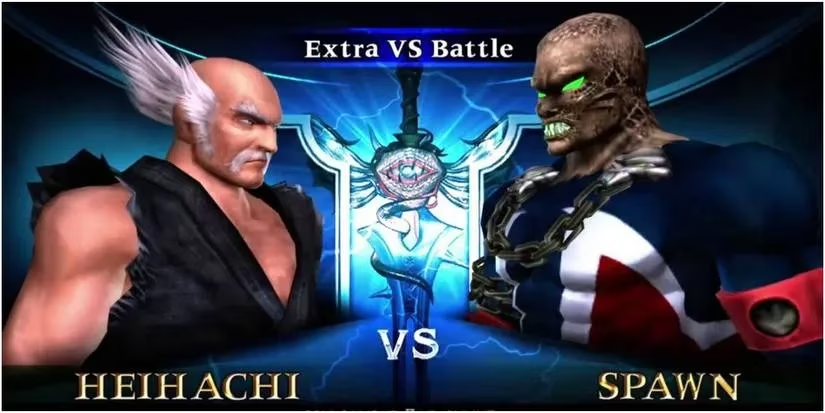
His usefulness is quite limited because he is a martial artist placed inside a weapon-based fighting game. Nearly every other character on the roster out-ranges him, which makes it difficult for Heihachi to impose his usual close-range pressure. Being a fist fighter in a sword fight is a rough deal.
Frieza – Dragon Ball FighterZ 👽
In the story of Dragon Ball Z, Frieza is one of the most integral villains in the entire franchise. His transformations, cruelty, and iconic moments have made him a fan favorite for decades. In Dragon Ball FighterZ, though, that reputation does not translate into competitive success.
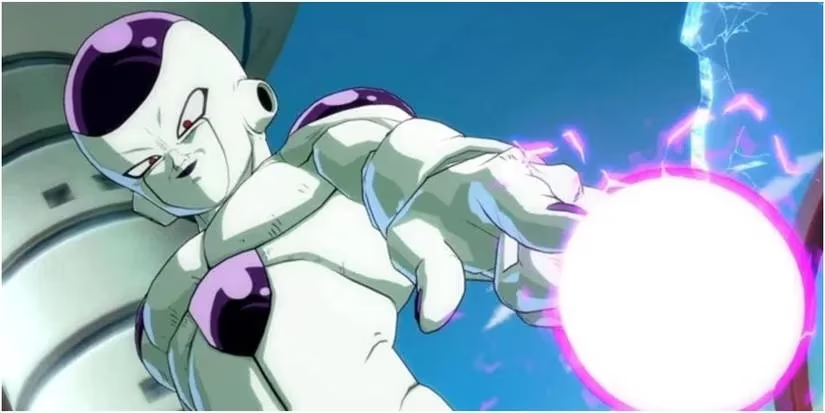
Frieza’s main appeal is his zoning potential, but there are several characters who provide far superior zoning for a team without carrying as many glaring shortcomings. In a game built around fast assists and explosive offense, Frieza can feel awkward and slow.
Joker – Injustice 🃏
Few villains in DC history have the same staying power as the Joker. He is beloved for his unpredictability, humor, and chaos. But hand-to-hand combat has never been his strongest selling point, and that weakness shows up clearly in Injustice.
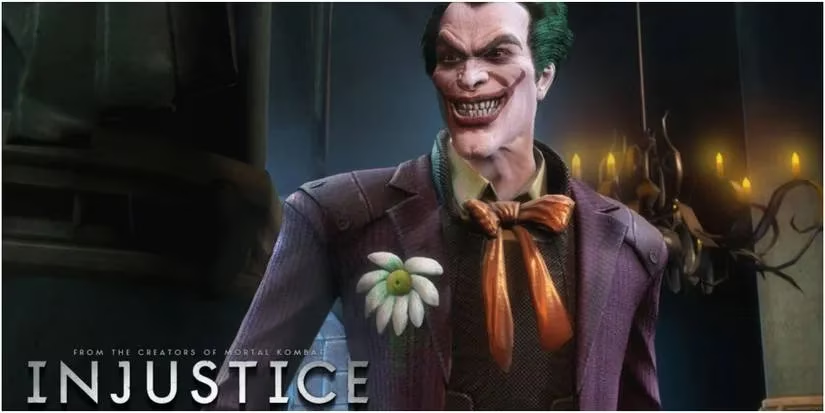
Many of the strongest characters in Injustice have abusable tools such as powerful projectiles, teleports, and character-specific powers. Joker lacks much of what makes a character strong in that game, leaving him near the bottom of the tier list despite his massive popularity.
Zelda – Super Smash Bros. Melee 🔮
Zelda is an interesting case in Melee. Early in the game’s lifespan, she was actually seen as a somewhat strong and high-tier character. As the metagame evolved, however, players discovered more about her limitations and she gradually fell down the tier list.
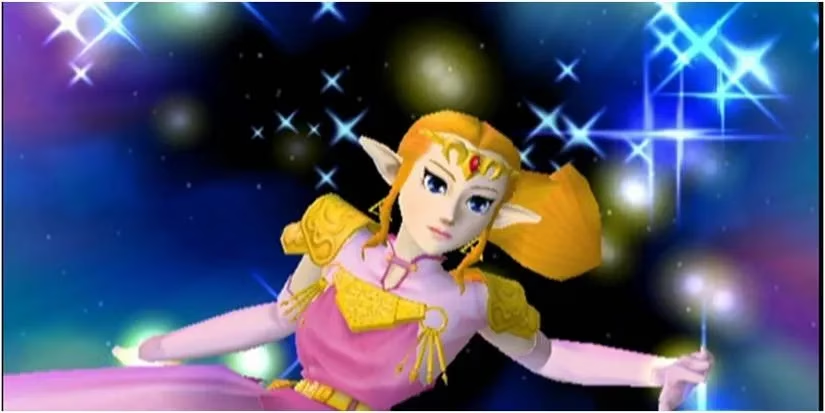
She lacks reliable combo and kill potential, and she is light enough that many characters can combo and kill her with ease. The meta was not exactly kind to her.
Chun-Li – Marvel vs. Capcom 2 🦵
Chun-Li is often called the First Lady of Fighting Games, and few female fighting game characters are more iconic. Her viability has waxed and waned across different titles. In Street Fighter III: Third Strike, she has been notoriously strong.
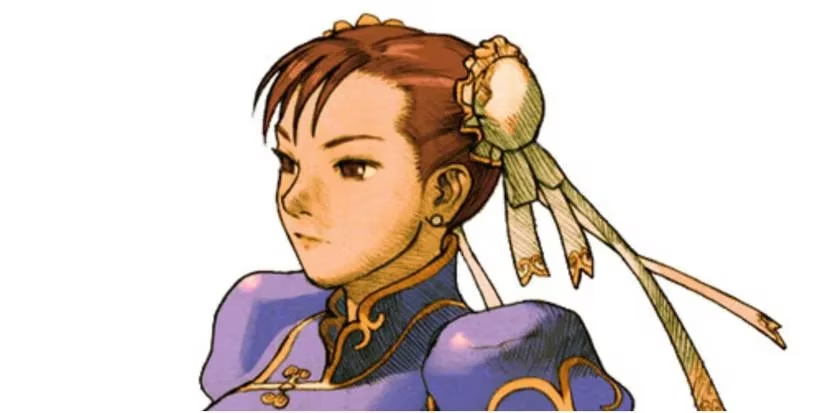
In Marvel vs. Capcom 2, however, she is one of the least useful characters on the roster. She lacks useful assists and the kind of combo potential that the game rewards, making her a difficult pick at competitive level.
Ganondorf – Super Smash Bros. Brawl and Ultimate 🗡️
Ganondorf is the main antagonist of the Legend of Zelda franchise and an incredibly popular character. His competitive history in the Super Smash Bros. series, though, has been quite lacking. He is one of the lowest tier characters in both Brawl and Ultimate.
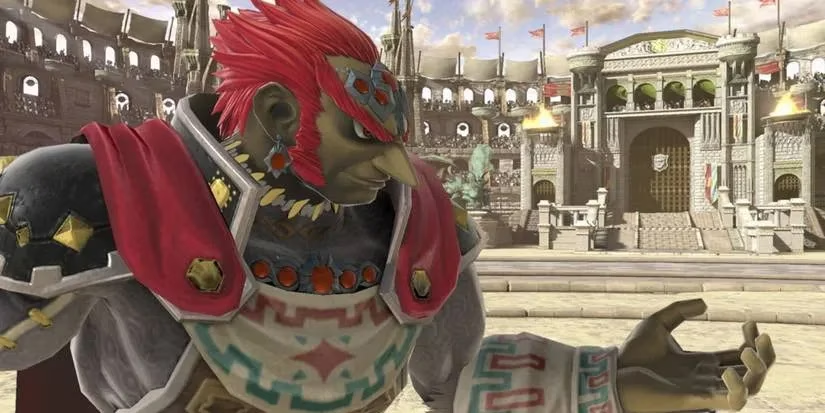
Ganondorf is a slow, heavy hitter who cares more about landing a few well-timed hits and punishing an opponent’s missteps than about long combo strings. That style can help new players learn the game’s mechanics, but at high-level play, opponents are far less likely to make those mistakes.
Zangief – Street Fighter V 🐻
Zangief is one of the most iconic grapplers in the history of fighting games. Grapplers, however, have historically not been the highest tier characters around. They often end up somewhat low on their respective tier lists.
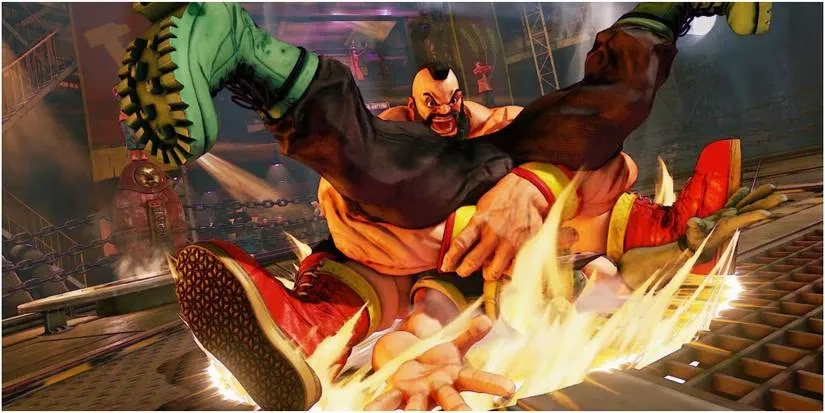
Even in a more balanced modern fighting game like Street Fighter V, Zangief’s lack of mobility and flexibility tends to hinder him at the highest levels of play. His command grabs are terrifying when they land, but getting close enough to land them is another story.
Ryu – Marvel vs. Capcom Infinite 🥋
The Marvel vs. Capcom series is characterized by excess. Characters can perform long, damaging combos and over-the-top super moves. The strongest characters are usually those who can access the most absurd tools, while the more fair characters tend to be the weakest.
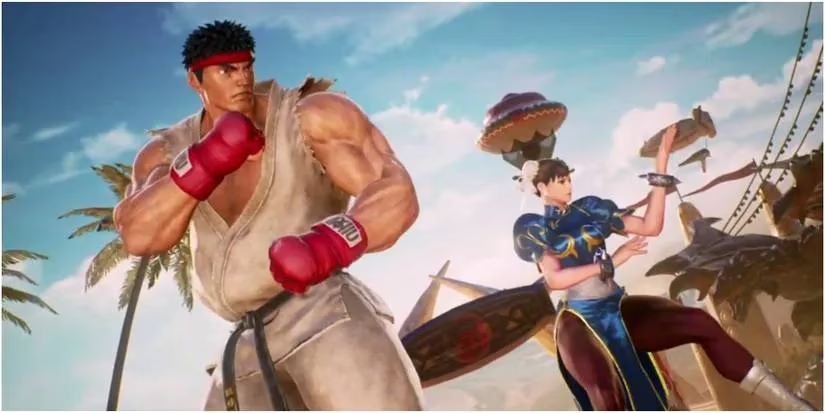
Ryu is easy to learn and simple to understand, but that simplicity is his biggest fault in Marvel vs. Capcom Infinite. He is left with far fewer options than characters who can fill the screen with projectiles, teleports, or multi-hitting supers.
Shao Kahn – Mortal Kombat 11 ☠️
Shao Kahn is easily one of the most notorious fighting game villains of all time. In arcades during the 1990s, he taunted players and ate countless quarters as a brutal unplayable boss. In Mortal Kombat 11, he joins the playable roster, but his competitive performance is underwhelming.
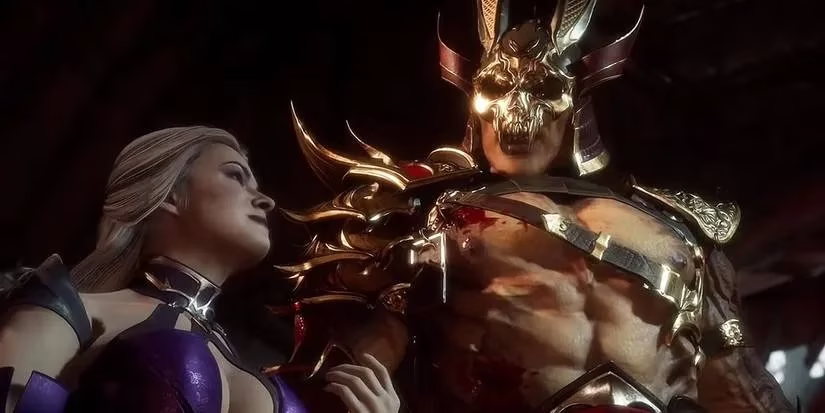
He lacks many of the tools required to be a high-tier character in competitive play. The intimidating presence that made him a memorable boss does not fully carry over into tournament viability.
Summary Table
| Character | Game | Main Weakness |
|---|---|---|
| Roy | Super Smash Bros. Melee | Sour spots and worse range than Marth |
| Heihachi | Soul Calibur II | Martial artist out-ranged by weapon users |
| Frieza | Dragon Ball FighterZ | Zoning does not make up for other flaws |
| Joker | Injustice | Lacks abusable projectiles and teleports |
| Zelda | Super Smash Bros. Melee | Low combo and kill potential |
| Chun-Li | Marvel vs. Capcom 2 | Few useful assists and weak combo potential |
| Ganondorf | Brawl and Ultimate | Too slow against high-level defense |
| Zangief | Street Fighter V | Poor mobility and flexibility |
| Ryu | Marvel vs. Capcom Infinite | Simplicity leaves him with fewer options |
| Shao Kahn | Mortal Kombat 11 | Lacks high-tier competitive tools |
These characters are proof that a memorable design or a legendary reputation does not guarantee a strong position on a tier list. The competitive scene rewards characters whose tools match the specific systems of each game, and sometimes that leaves even the most famous faces near the bottom. In 2026, whether a player is revisiting older titles or following modern tournaments, that gap between popularity and viability remains one of fighting games’ most fascinating quirks.
This discussion is informed by matchup and meta coverage from IGN, a long-running authority on fighting game releases, patches, and competitive trends. Looking at how tier lists shift over time helps explain why iconic characters like Roy, Ganondorf, or Shao Kahn can remain cultural staples while still lagging behind in tournament play—where frame data, mobility, and system-specific tools matter more than legacy or story presence.