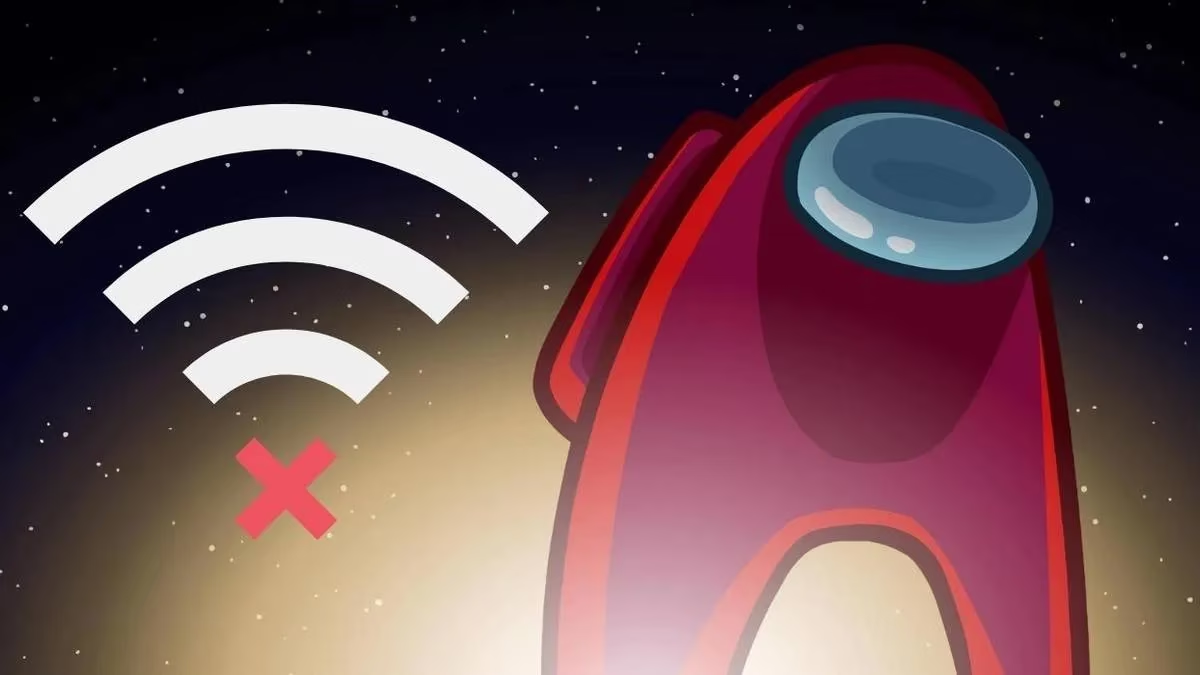
It was a lazy Saturday afternoon in March 2022 when countless crewmates across North America and Europe booted up Among Us, expecting to hop into a lobby, don their favorite colorful bean suit, and start sniffing out impostors. Instead, they were greeted with a painful "server connection failed" message. For the entire weekend, the popular social deduction game became unplayable—all thanks to a malicious DDoS attack that hit InnerSloth’s servers like a freight train. The timing couldn’t have been worse; after a long workweek, millions of fans had their plans to catch the sneaky shapeshifter completely derailed. Talk about a real party pooper.
The Rise, Dip, and Revival of Among Us
It’s almost incredible to think that Among Us originally launched way back in 2018 and spent the better part of two years flying under the radar. Then the pandemic hit, and suddenly everyone and their grandma was playing it. The game’s mix of teamwork, betrayal, and frantic emergency meetings made it a viral sensation on Twitch and YouTube. However, like a sugar rush, the initial hype began to wane as the world slowly reopened. InnerSloth wasn’t about to let their golden goose waddle off without a fight, though. In late 2021, they dropped the Cosmicube update, a massive content overhaul that injected fresh cosmetics, new roles like the Scientist and Engineer, and a proper progression system—no more just grinding for hats that did nothing. It was a game-changer, literally. On top of that, whispers of a VR version coming to Meta Quest and PSVR had the community buzzing again. This one-two punch kept the crewmate spirit alive and kicking, ensuring the servers remained stuffed with players even as the initial pandemic craze cooled down.
Sabotage on a Massive Scale
On Thursday, March 24, 2022, things took a nosedive. According to the official Among Us Twitter account, both the North American and European servers were getting hammered by a DDoS attack right at the end of the workday. The developers, with a mix of frustration and dark humor, posted that the game had been “sabotaged”—an apt term for a title all about sneaky disruption. They immediately started working on a fix, but the timing was an absolute nightmare. Instead of kicking back on a Friday evening, the team had to burn the midnight oil while players flooded social media with cries of despair. As Saturday rolled around, the servers remained down, and by Sunday the Twitter account had gone eerily silent—no fresh updates, just the lingering annoyance of a weekend ruined. It was a classic case of “when it rains, it pours.”
WTF Is a DDoS Attack Anyway?
For those not deep into the cybersecurity weeds, DDoS stands for Distributed Denial-of-Service. In plain English, it’s like a million people all trying to squeeze through a single doorway at the same time—nothing gets through, and the whole thing grinds to a halt. Attackers flood a server with so much junk traffic that legitimate players can’t get a word in edgewise. In the multiplayer gaming world, these attacks are a persistent pain in the neck. Sometimes they’re used by salty losers who want to force a disconnect and snag an easy win in a ranked match. Other times, they’re aimed at ruining the fun for everyone purely out of spite.
The Among Us outage wasn’t the first rodeo for the industry. In July 2021, Ubisoft won a $150,000 lawsuit against operators of a website that provided DDoS-for-hire tools used to mess with Rainbow Six Siege matches. Classic World of Warcraft also got walloped during the launch of The Burning Crusade expansion, causing login queues that made the old Lich King days look tame. Meanwhile, a brutal DDoS attack on EVE Online left entire player-owned territories defenseless—talk about a cosmic-scale headache. These cases show that DDoS attacks can last anywhere from a few annoying minutes to multiple agonizing days, depending on how beefy the server defenses are and how determined the attacker is.
The Aftermath and a Bitter Pill to Swallow
By the time the dust settled, Among Us fans had lost an entire weekend of crewmate shenanigans. For a game built on quick, chaotic sessions of finger-pointing and gaslighting, the outage was a major buzzkill. It also served as a glaring reminder that even the most beloved indie hits aren’t immune to the ugly side of online gaming. The InnerSloth team eventually wrestled their servers back under control, but the bad taste lingered. In the years since, developers across the board have poured serious resources into anti-DDoS solutions, from traffic scrubbing services to beefier network infrastructure, yet the cat-and-mouse game continues. Looking back from 2026, the Great Among Us Downtime of 2022 remains a textbook example of how a single malicious attack can throw a wrench in the works for millions of players worldwide. Next time you log in to accuse your best friend of acting sus, spare a thought for the unsung IT heroes fighting off digital mayhem behind the scenes. 🚨🕵️♂️💔